
In a world that seldom slows down, quality rest and recovery have become lifestyle luxuries elusive to many. However, by integrating a handful of easy yet effective changes within the home, anyone can transform their space into a sanctuary of sleep and recuperation. Here's how to tune your environment for optimal restfulness.
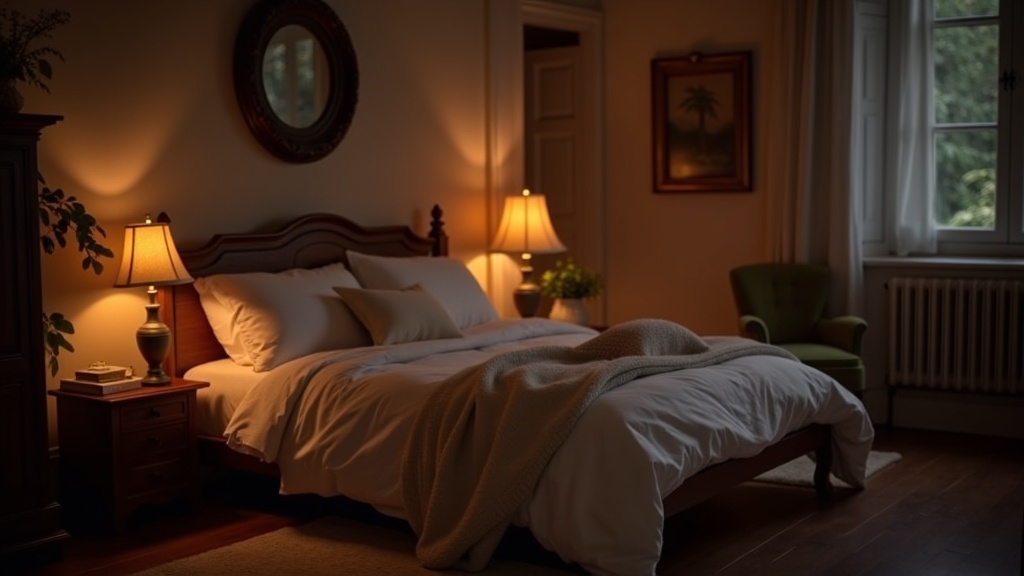
Master the Art of Lighting
Lighting plays a pivotal role in regulating our circadian rhythms, affecting how quickly we fall asleep and how well-rested we feel upon waking. According to Freya, a sleep expert, swapping out harsh white lights for softer, warm-toned bulbs can make a dramatic difference. She suggests incorporating dimmable lights or smart bulbs that shift hues to mimic natural sundown, helping signal your body that it's time to wind down.
The Power of Aroma
Fragrances can jolt our memories and evoke emotional responses, but they can also usher us into deeper sleep. Jasmine Murray, a certified aromatherapist, recommends scents like lavender, chamomile, or sandalwood to enhance relaxation. A simple touch, such as a diffuser with a calming essential oil, can help transform your bedroom into a personal relaxation haven.
Soundscapes to Soothe
Sound is often an overlooked factor in crafting a sleep-inducing environment. Daniel, a sound therapist, does not underestimate the power of a tranquil soundscape. Utilizing a white noise machine or a playlist of calming, consistent sounds like gentle rain or ocean waves can help mask disruptive noises and lull your brain into restful sleep.
Embrace Temperature Control
Temperature consistency is a lesser-known but impactful component of restful sleep. According to Emma, a wellness consultant, the ideal bedroom temperature hovers around 65°F (18.3°C). Beyond setting your thermostat, consider breathable bedding materials, such as cotton or linen, that help regulate body heat throughout the night.
The Haven of the Perfect Mattress
Mattresses age and evolve with time and usage. A sagging or too-firm mattress could be sabotaging your sleep quality. Lisa, a sleep hygiene expert, advises homeowners to evaluate the state of their mattress every 7-10 years. For those who've endured sleepless nights, even a small investment in a quality mattress topper can provide substantial relief and renew your sleeping experience.
Declutter Your Sleep Space
Clutter can unconsciously increase stress and discomfort within our sleep environment. Max, a feng shui consultant, explains how a tidy room fosters tranquility and order, thus promoting serenity and seamless transitions into sleep. He recommends removing unnecessary items and maintaining a tidy surface to allow the bedroom to remain a reserved space for rest.
Invest in Blackout Curtains
Daytime spills into the night more than one might think — ambient streetlights, the moon, or early sunrise can disturb sleep rhythms. Olivia, an interior designer, suggests investing in blackout curtains to create a cocoon-like atmosphere for undisturbed rest, blocking out bright interruptions and maintaining a consistent darkness essential for deep sleep.
Calming Color Palette
Color palettes can subtly alter the mood of a room. Jade Huynh, a professional color psychologist, emphasizes opting for hues that promote calmness such as soft blues, gentle greens, or muted earth tones for your bedroom décor. These colors can help foster a sense of peace and stability before bedtime, setting a comforting atmosphere conducive to rest.
Establish a Digital-Free Zone
Electronics can emit light that disrupts the production of melatonin. Dylan, a tech wellness advocate, strongly suggests creating a digital-free bedtime routine. Keeping gadgets out of the bedroom and choosing to read or meditate instead can help your brain transition more smoothly into sleep mode, ultimately enhancing recovery during the night.