
Our environment shapes who we are and who we aspire to become. This article explores how deliberately crafted spaces can support and nurture better habits, turning mundane routines into fulfilling daily rituals.
The Power of Intentional Design
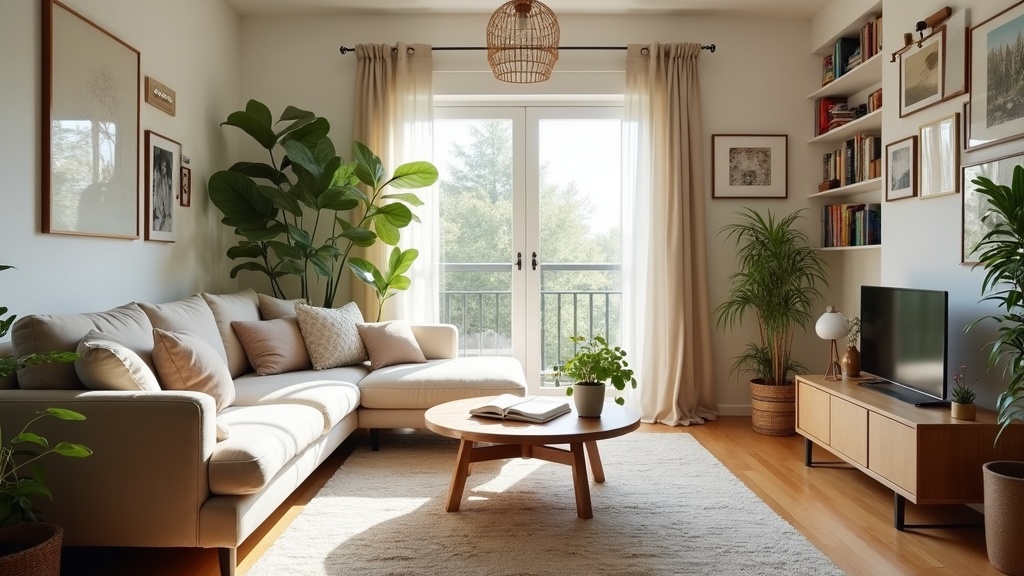
Living spaces are more than just physical structures; they are expressions of our identity and aspirations. Jane Murray, an interior designer with a penchant for blending aesthetics with functionality, explains, "An intentional design can subtly nudge us toward the habits we desire to cultivate." By strategically designing our environments, we ensure they reflect our goals and make it easier for us to align our actions with our intentions.
Declutter to Destress
Clutter is often a physical manifestation of mental chaos. According to organizational expert Emma Lee, "A clutter-free space reduces mental burdens and promotes a sense of calmness." Start by assessing which items are essential and which are holding you back. With fewer distractions, you create an environment conducive to focus and mindfulness, paving the way for new, positive habits.
Harness the Beauty of Natural Light
Natural light is a vital component often overlooked in home design. Its benefits range from boosting vitamin D levels to improving mental health. Architect Sam Yates suggests, "Design your space to maximize natural light exposure. Positioning workspaces and relaxation areas near windows can elevate your mood and productivity." Natural light encourages you to stay active and engaged, seamlessly weaving itself into your daily routines.
Color Psychology in Habit Formation
Colors have a profound impact on our emotions and actions. Sarah Fletcher, a color consultant, advises that selecting the right hues can significantly enhance your living environment. For example, soft greens and blues foster tranquility, while vibrant yellows and oranges stimulate creativity and enthusiasm. Choose colors that align with the habits you wish to form and integrate them into your living space through paint, artwork, and fabrics.
The Role of Furniture and Layout
Your furniture arrangement can greatly influence your ability to maintain new habits. Interior designer Michelle Tran emphasizes, "Create designated zones within your home to effortlessly flow from one activity to another." A thoughtfully arranged space allows for seamless transitions between work, relaxation, exercise, and social interactions, reinforcing the rhythm of positive habits throughout the day.
Engage with Nature: Bringing the Outdoors In
Bringing elements of nature indoors has been proven to improve well-being and foster a connection with the natural world. Botanist Alexander Crane advises, "Incorporating plants and natural materials can reduce stress and increase feelings of tranquility and joy." As you surround yourself with nature, you're reminded of the evolving cycles of life, encouraging you to cultivate and nurture your habits with the same care.
Creating Spaces for Reflection and Mindfulness
Designate areas in your home for contemplation and meditation. A serene corner equipped with comfortable seating, soft lighting, and calming sounds can be an oasis of peace amidst daily chaos. Meditation guide Olivia Price notes, "Having a dedicated space can deepen your practice and enhance your daily mindfulness exercises, making them an integral part of your lifestyle."
Tech-Free Zones to Boost Focus and Presence
In a world dominated by screens, creating tech-free zones at home can significantly enhance overall presence and focus. Digital minimalist Leo Evans recommends, "Establish areas free from digital distractions to engage more deeply with activities that matter." These zones encourage face-to-face interactions, deep work, and leisure without the pull of technology, promoting the cultivation of meaningful habits.
Personalize to Inspire and Motivate
Finally, infuse your space with personal touches that inspire and motivate you. Vision boards, framed quotes, and cherished mementos serve as visual affirmations of your goals and values. Life coach Ava Brooks states, "Personalization transforms your space from just a room to a sanctuary that uplifts and propels you towards your aspirations every day."